

Understanding liver failure
Liver failure is a serious condition where your liver can no longer perform its essential functions. Early understanding and intervention are crucial. Learn about the signs, causes, and how The Liver Hope Foundation can support you and your loved ones through this challenging time.
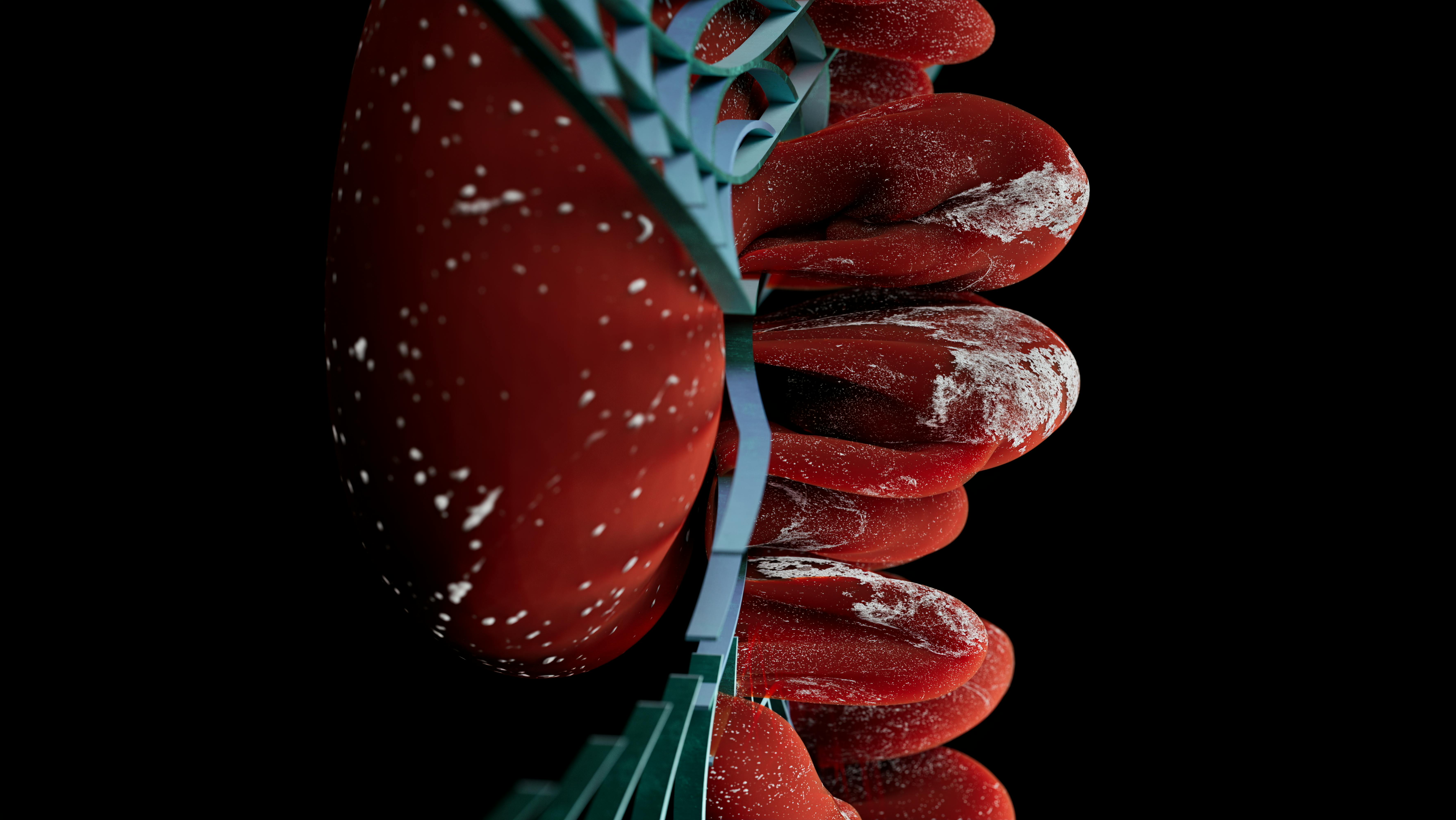
Key facts about liver failure
It’s serious—act early. Liver failure means the liver can’t perform essential functions. It can be acute (sudden) or chronic (progressive). Early medical care can be life-saving. Seek urgent care for jaundice (yellow skin/eyes), confusion or drowsiness (possible brain effects), severe fatigue, vomiting, or loss of appetite, swelling in the abdomen/legs, or easy bruising or bleeding. Common causes include advanced liver disease like cirrhosis, alcohol-related damage, viral hepatitis, medication or toxin injury, and long-term conditions such as nonalcoholic fatty liver disease progressing over time. Treatment depends on the cause and may involve medications, hospital care, lifestyle changes, managing complications, and liver transplant evaluation in severe cases. Caregivers are essential for monitoring symptoms, managing medications and appointments, and providing emotional and daily support. Get the right help fast by seeing a liver specialist.

Our support for you
The Liver Hope Foundation specifically supports individuals and families affected by liver failure through clear, actionable education. We translate complex topics (e.g., cirrhosis, complications of liver failure) into plain-language steps, equipping families with questions to ask, red flags to watch, and what to expect next. We provide care navigation and decision support, offering guidance on when to seek urgent care versus routine follow-up, and directing you to hepatologists, transplant centers, and specialty services. Our resources include checklists for appointments, labs, and medication tracking. We offer daily management and lifestyle support with practical guidance on nutrition, sodium/fluid considerations, and medication adherence. Caregiver training and support resources are structured to help families monitor symptoms, ensure safety, and improve communication, reducing uncertainty and improving coordination of care. We also foster community and emotional support through access to support groups, classes, and peer connections.

Connect with The Liver Hope Foundation
If you are struggling with liver failure or caring for someone who is, the best way to get in touch with us and find the resources you need is to start at your main hub. Visit The Liver Hope Foundation website and navigate to "Get Help / Support," "Programs & Services," or "Contact Us." You can contact the foundation directly using our contact form, email, or phone. Please provide your current diagnosis/symptoms (e.g., cirrhosis or liver failure), urgency level, and the type of help needed (medical navigation, support, resources). Access immediate support resources by joining our support groups or classes, utilizing caregiver resources, and participating in educational programs. Remember to use urgent medical care when needed: if there are severe symptoms (confusion, heavy swelling, bleeding, jaundice), go to the ER or call emergency services immediately. The foundation supports, but does not replace, emergency medical care. Stay engaged by following our ongoing updates, guides, and tools, and continue using resources as your needs evolve.