Understanding your liver health
We understand that facing concerns about liver health, especially when tests like FibroScan or a liver biopsy are mentioned, can be daunting. At The Liver Hope Foundation, we are dedicated to providing clear, compassionate, and actionable guidance to help you navigate these important diagnostic steps.
Explore what these tests mean, why they are important, and how you can confidently take the next steps in your journey towards better liver health. We pride ourselves on our commitment to excellence in every aspect of our service.
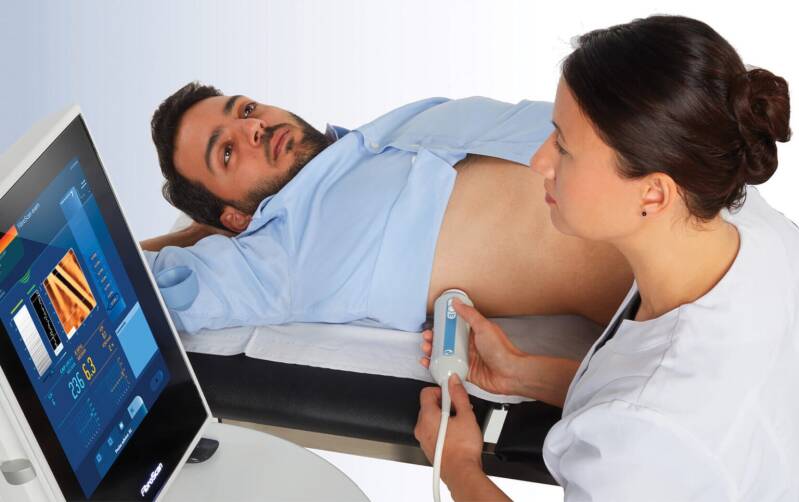
Your questions about FibroScan and liver biopsy
It's natural to have many questions and concerns when considering tests like FibroScan or a liver biopsy. At The Liver Hope Foundation, we're here to translate complex medical information into clear, understandable language, offering you peace of mind and a roadmap for your next steps. Our approach is rooted in providing accurate, supportive, and empowering information, ensuring you feel confident and informed.
What is a FibroScan and what does it measure?
A FibroScan is a non-invasive test that measures liver stiffness (fibrosis or scarring) and often the amount of fat in your liver (steatosis or CAP score). It helps assess the health of your liver and can detect scarring before it becomes severe.
Is FibroScan accurate? Can i trust it?
FibroScan is generally accurate, but it has limitations. Factors like inflammation, obesity, and certain medical conditions can affect results. While it's an excellent screening tool, sometimes a liver biopsy is still needed for a definitive diagnosis or when results are unclear.
What do my numbers mean (fibrosis stage, kPa, CAP score)?
Your FibroScan results include a stiffness measurement in kilopascals (kPa), which corresponds to a fibrosis stage (F0-F4, where F0 is no fibrosis and F4 is cirrhosis). The CAP score measures liver fat. We offer resources to help you interpret these numbers and understand their significance for your liver health.
Why would someone need a liver biopsy?
A liver biopsy is performed to accurately stage liver scarring, confirm the cause of inflammation, rule out other liver conditions, or guide the most effective treatment plan, especially when FibroScan results are inconclusive or a more detailed analysis is needed. It's a diagnostic tool, not necessarily a sign of the worst.
Three Types of Liver Biopsies
There are three main types of liver biopsy. Your medical team may have a preference for you due to your medical history, current state of health, and other reasons.
Type 1: Percutaneous Liver Biopsy
This was the kind I had. The word simply means “to go through skin.” The doctor inserted a needle through my skin, between my ribs, and into my liver, pulling out a sample of liver tissue. This is the most common type of liver biopsy.
My surgeon supplemented this technique with the liver ultrasound beforehand.
Type 2: Laparoscopic Liver Biopsy
Similar to the first, a liver tissue sample is taken via a needle. But first, the doctor sends a lighted tube with a camera on the end into your abdomen. Then they insert the needle and pull out the tissue.
Type 3: Transjugular Liver Biopsy
In this procedure, a hollow tube is inserted down a vein in your neck into your liver.They send a contrast dye down the tube, and then remove a tissue sample through the tube. This type of biopsy is used if an individual has fluid in their belly or has blood clotting problems.
Is a liver biopsy dangerous or painful?
A liver biopsy is a common procedure, and while some discomfort is expected, it's generally well-managed with local anesthetic. Major complications are rare. We provide plain-language information about what to expect during and after the procedure, helping to ease fears about pain, bleeding, or hospital stays.
What should i do next if i have fibrosis or cirrhosis?
If you have fibrosis or cirrhosis, the next steps involve understanding the cause, making lifestyle changes, and potentially working with a specialist. Fibrosis can often be slowed, improved, or even reversed in some cases. We guide you on questions to ask, lifestyle adjustments, and monitoring frequency.
If my FibroScan is normal, am i safe?
A normal FibroScan is great news, but it doesn't mean you can ignore risk factors. Depending on your overall health and medical history, you might still need regular labs, follow-up appointments, or lifestyle management to maintain liver health and prevent future issues.
What unique support does The Liver Hope Foundation provide for these tests?
We translate complex medical jargon into easy-to-understand language, explain the "why" behind recommended tests, and provide concrete, step-by-step action plans. We focus on early detection, prevention, and empower you to advocate for your health with practical tools like checklists and question guides for your doctor.
Understanding your path to liver health
At The Liver Hope Foundation, we believe that early detection matters and that you are not powerless. We empower you with clear information about FibroScan and liver biopsy, helping you understand your results and navigate your next steps with confidence. Discover how proactive measures can lead to better outcomes and a healthier future.