

Nourish your liver with the Mediterranean diet
Discover a delicious and sustainable path to liver health. The Mediterranean diet is a well-researched eating pattern that supports your liver and overall well-being. Learn its principles, find easy recipes, and empower your journey to better health.
Why the Mediterranean diet for liver health?
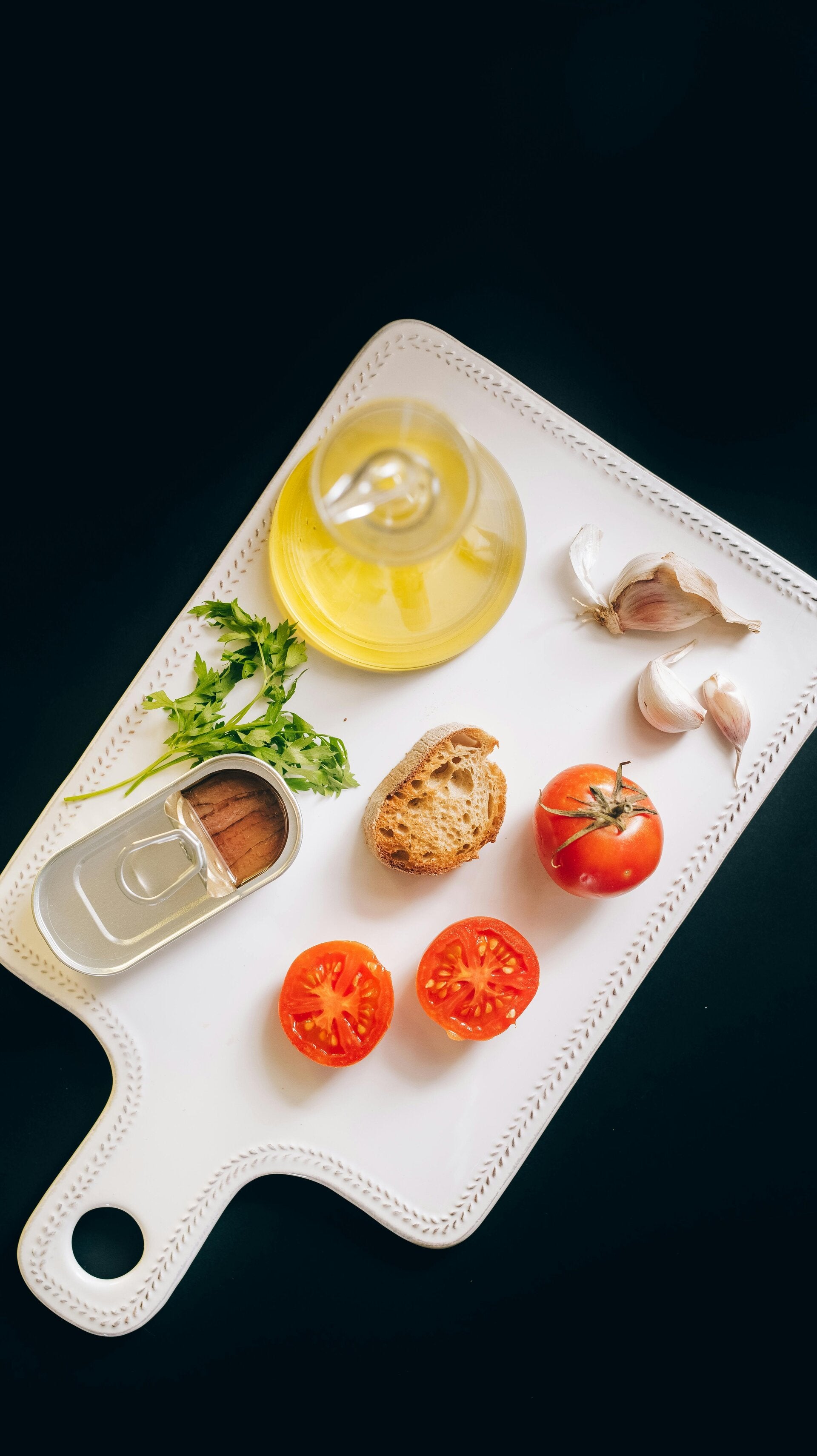
The Mediterranean diet is more than just a way of eating; it's a lifestyle that has consistently shown significant benefits for liver health, heart health, and overall vitality. This eating pattern may help reduce liver fat, lower inflammation, improve insulin sensitivity, and support healthy weight management, especially for individuals with metabolic dysfunction-associated steatotic liver disease.
At The Liver Hope Foundation, we believe healthy eating can be simple, affordable, delicious, and enjoyable. Small, consistent changes often lead to meaningful long-term health benefits, helping you feel your best. Join us in exploring how this diet can transform your health.

Principles of the Mediterranean diet for liver health
The Mediterranean diet emphasizes whole, minimally processed foods. It is a sustainable, enjoyable way of eating that can support lifelong liver health and overall well-being. By focusing on these key components, you can make powerful strides towards improving your health:
- Abundant fruits and vegetables: Enjoy a wide variety of colorful produce daily.
- Whole grains: Choose options like oats, brown rice, quinoa, and whole-wheat bread.
- Legumes, nuts, and seeds: Incorporate beans, lentils, chickpeas, almonds, walnuts, and chia seeds.
- Healthy fats: Olive oil is the primary source of fat, alongside avocados.
- Fish and seafood: Aim for several servings per week, especially fatty fish rich in omega-3s.
- Lean proteins: Poultry, eggs, and dairy in moderation.
- Herbs and spices: Flavor your food naturally, reducing the need for excess salt.
- Water: Stay well-hydrated throughout the day.

Simple and liver-friendly recipes for every meal
Discover easy-to-follow, liver-friendly recipes that are both delicious and practical for everyday life. Our goal is to help you build confidence in planning healthy meals and grocery shopping without needing advanced cooking skills or expensive ingredients. Healthy eating does not have to be restrictive or complicated. Small, consistent improvements are often more effective than drastic changes, and every healthier meal contributes to better long-term health.
Breakfast:
- Mediterranean scramble: Scrambled eggs with spinach, tomatoes, and a sprinkle of feta.
- Berry and nut oatmeal: Rolled oats cooked with water or unsweetened almond milk, topped with mixed berries and a handful of almonds.
- Greek yogurt parfait: Layers of plain Greek yogurt, fresh fruit, and a drizzle of honey.
Lunch:
- Quinoa salad with roasted vegetables: Quinoa mixed with roasted bell peppers, zucchini, chickpeas, and a lemon-herb dressing.
- Tuna and white bean salad: Canned tuna (in water), cannellini beans, chopped celery, red onion, and olive oil dressing, served in lettuce cups or whole-wheat pita.
- Lentil soup: A hearty, vegetable-rich lentil soup seasoned with Mediterranean herbs.
Dinner:
- Baked salmon with asparagus: Salmon fillet baked with lemon slices and dill, served alongside roasted asparagus.
- Chicken and vegetable skewers: Grilled chicken breast pieces alternating with cherry tomatoes, bell peppers, and onions.
- Whole-wheat pasta with primavera sauce: Whole-wheat pasta tossed with a light tomato sauce and a generous amount of seasonal vegetables like broccoli, carrots, and peas.
Snacks and desserts:
- Hummus with vegetable sticks: Carrots, cucumber, and bell pepper strips for dipping.
- Apple slices with almond butter: A satisfying and nutritious snack.
- Fresh fruit salad: A simple mix of seasonal fruits.