

Decoding nutrition labels for liver health
Understanding what's in your food is a powerful step towards better liver health. Learn how to easily read nutrition labels and make informed choices for a healthier you.

Why nutrition labels matter for your liver
The main reason someone with liver concerns should pay close attention to nutrition labels is that they help you make informed food choices that support your liver health. By reading labels, you can identify foods that are high in sodium, added sugars, and unhealthy fats, while choosing options that are higher in fiber, lean protein, and other beneficial nutrients.
The Liver Hope Foundation encourages visitors to use nutrition labels as a simple tool to build healthier eating habits, better manage liver disease, and make confident decisions every time they shop for food.
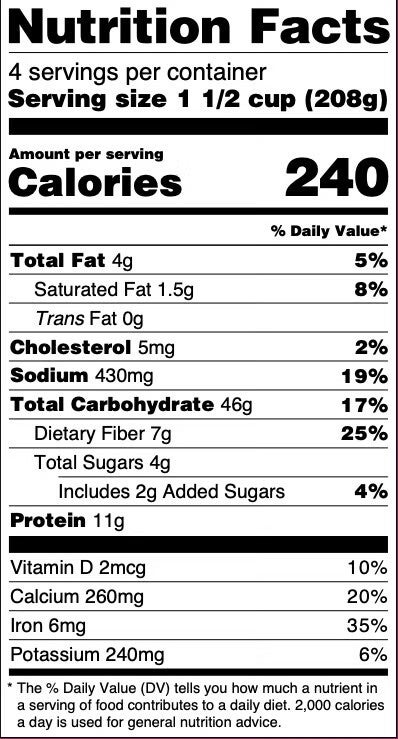
Key elements to check on every label
The Liver Hope Foundation recommends paying attention to these key items on every nutrition label:
- Serving size: Know how much you're actually eating, since all nutrition information is based on this amount.
- Sodium: Choose lower-sodium foods to help reduce fluid retention and support heart and liver health.
- Added sugars: Limit added sugars to help support a healthy weight and reduce the risk of fatty liver disease.
- Saturated fat: Select foods lower in saturated fat and avoid trans fats whenever possible to support liver and heart health.
- Fiber: Choose foods higher in fiber to support digestion, blood sugar control, and overall health.
- Protein: Look for adequate protein from nutritious sources to help maintain muscle mass and support overall wellness.

Common label reading mistakes to avoid
The Liver Hope Foundation wants visitors to avoid these common nutrition label mistakes:
- Ignoring the serving size, which can lead to consuming much more sodium, sugar, fat, or calories than expected.
- Assuming "low-fat" or "fat-free" means healthy, even though these products may be high in added sugars or sodium.
- Not checking added sugars, focusing only on total sugar instead.
- Overlooking sodium content, especially in canned, frozen, and packaged foods.
- Thinking "natural," "organic," or "multigrain" automatically means healthier, when the nutrition label may tell a different story.
- Ignoring ingredient lists, where ingredients are listed from highest to lowest by weight.
- Not comparing similar products, which can help identify healthier options.
- Misunderstanding percent Daily Value (%DV), which helps show whether a food is low or high in a particular nutrient.
Make label reading a healthy habit
The single most important thing The Liver Hope Foundation wants people to remember is to make reading nutrition labels a regular habit before buying or eating packaged foods.
Key takeaway: A few seconds spent checking the serving size, sodium, added sugars, and saturated fat can help you make healthier choices that support your liver. Small, informed decisions at the grocery store can lead to lasting improvements in your liver health and overall well-being.