

Understanding your sleep: The path to better health
Discover the crucial role sleep tests play in diagnosing sleep disorders and protecting your liver. Learn what to expect and why early intervention is vital for your overall well-being.
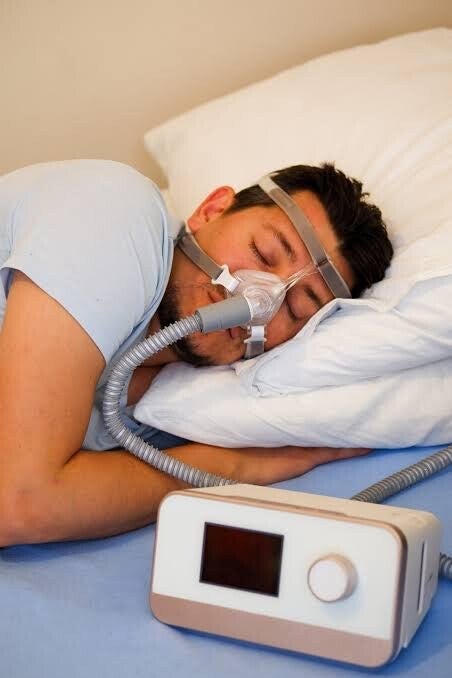
Why a sleep test matters for your health
A sleep study is a safe, effective, and important tool for diagnosing sleep apnea and other sleep disorders. Recognizing the signs that may indicate you need a sleep test—such as loud snoring, pauses in breathing during sleep, excessive daytime sleepiness, morning headaches, or difficulty concentrating—is crucial. Early diagnosis can help prevent serious health complications affecting the heart, brain, liver, and overall well-being. We encourage anyone with symptoms or concerns to speak with their healthcare provider or a sleep specialist about whether a sleep test is appropriate. Explore The Liver Hope Foundation's educational resources to learn more about sleep disorders, liver health, treatment options, and healthy lifestyle habits that support better sleep and long-term health.

Who should consider a sleep test?
This sleep test page is intended for anyone experiencing symptoms of a possible sleep disorder or who has been referred for a sleep study by a healthcare provider. It is especially helpful for people who snore loudly, stop breathing during sleep, wake up gasping or choking, feel excessively tired during the day, have morning headaches, experience difficulty concentrating, memory problems, or poor-quality sleep despite spending enough time in bed. It is also valuable for individuals with obesity, high blood pressure, type 2 diabetes, heart disease, metabolic dysfunction-associated steatotic liver disease (MASLD), or other conditions that increase the risk of sleep apnea. Family members and caregivers who notice concerning sleep symptoms in a loved one can also benefit from this information.
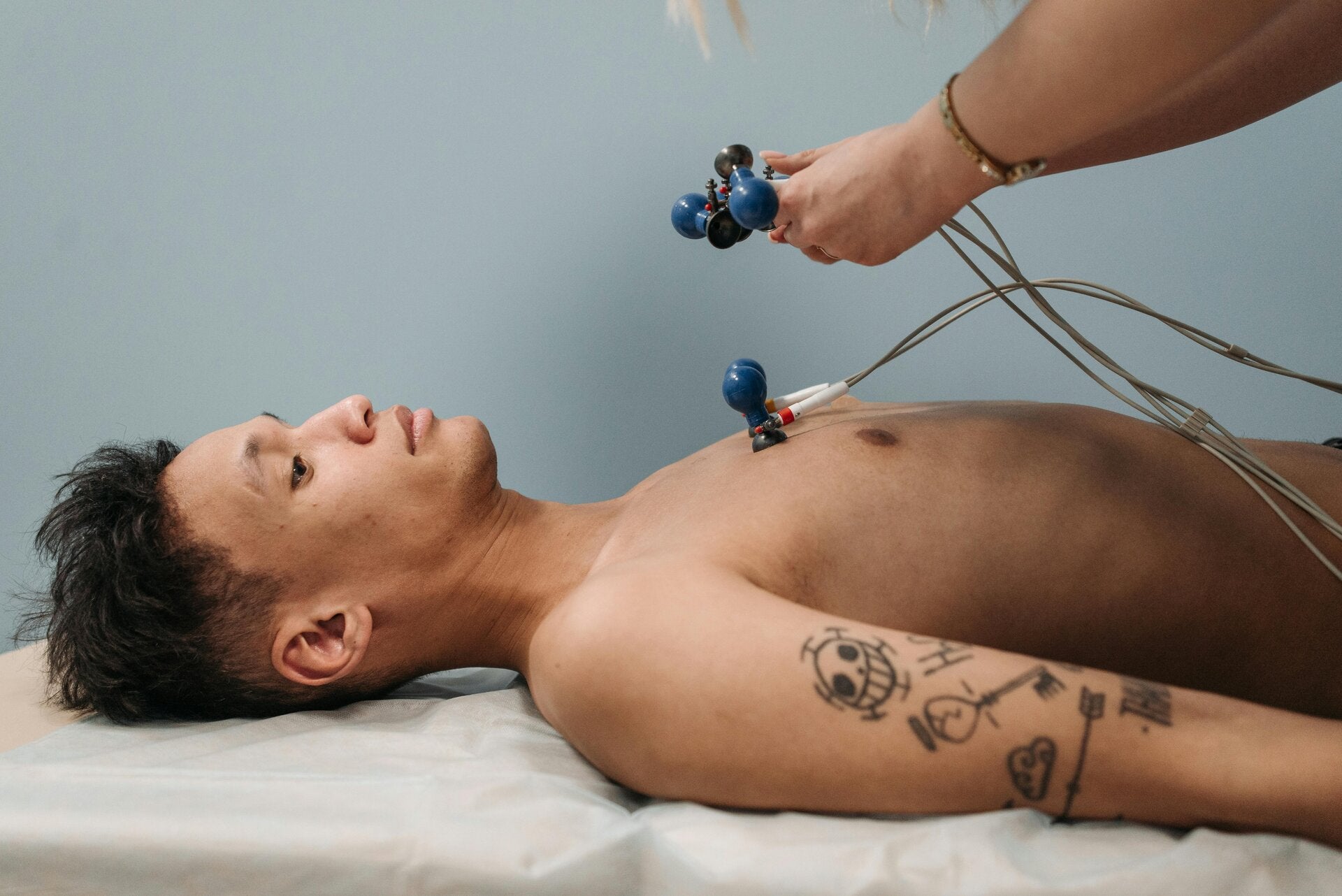
What to expect during a sleep test
A sleep test typically begins with a referral from a healthcare provider or sleep specialist, who reviews your symptoms and medical history to determine whether testing is needed. Depending on your situation, you may complete either an at-home sleep test or an overnight sleep study in a sleep center. During the test, painless sensors monitor your breathing, oxygen levels, heart rate, brain activity, body movements, and sleep patterns while you sleep. After the study is complete, a sleep specialist reviews the results, determines whether a sleep disorder such as sleep apnea is present, and discusses the findings with you. If a sleep disorder is diagnosed, your healthcare provider will recommend a personalized treatment plan, which may include lifestyle changes, CPAP therapy, an oral appliance, medication, or other treatments, along with follow-up care to monitor your progress and improve your overall health.
Our unique approach to sleep and liver health
The Liver Hope Foundation does not perform sleep tests. Instead, we help people understand when a sleep test may be needed, what to expect during the process, how to prepare, and how sleep disorders such as sleep apnea can affect liver health and overall well-being. Our goal is to make the testing process less intimidating by providing clear, evidence-based information in language that is easy to understand. What makes our approach unique is our focus on the connection between sleep health and liver health. In addition to explaining sleep testing, we educate visitors about how untreated sleep apnea may contribute to conditions such as metabolic dysfunction-associated steatotic liver disease (MASLD) and other chronic health problems. We encourage individuals to work with qualified healthcare providers and sleep specialists for diagnosis and treatment while using The Liver Hope Foundation as a trusted source for education, support, and reliable health information throughout their journey.