
Understanding hepatitis D: A serious liver infection
Hepatitis D is a rare but serious viral infection that affects the liver. Learn about its connection to hepatitis B and how The Liver Hope Foundation is here to help.
What is hepatitis D?
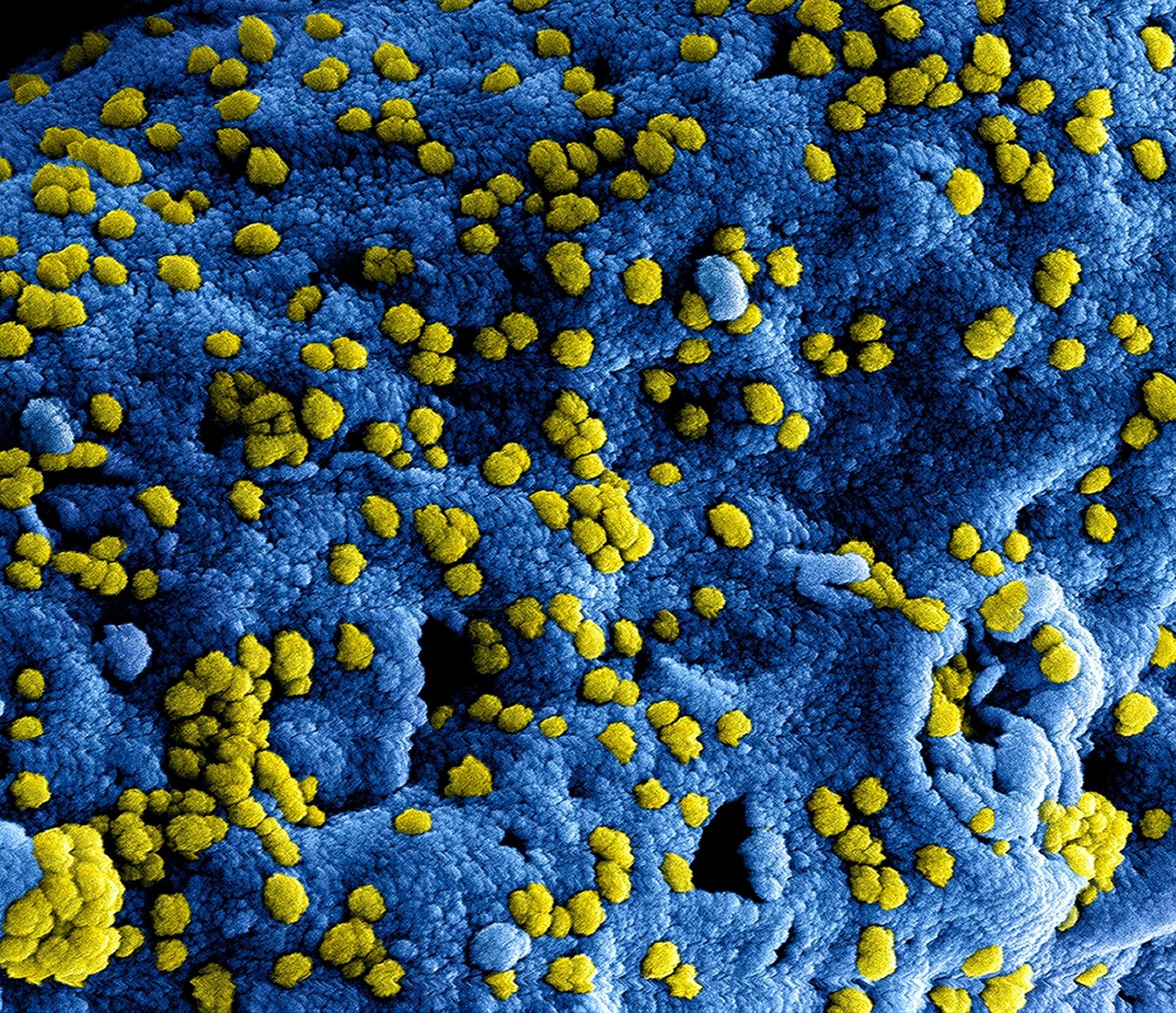
Hepatitis D is a unique viral infection because it can only infect someone who already has hepatitis B. The hepatitis D virus needs the hepatitis B virus to survive and spread. This co-infection can make liver disease more severe and may increase the risk of liver fibrosis, cirrhosis, liver failure, and liver cancer. However, not everyone with hepatitis B will develop hepatitis D.
The good news is that preventing hepatitis B through vaccination also prevents hepatitis D, because without hepatitis B, hepatitis D cannot infect a person.
Key takeaway: Hepatitis D only occurs in people with hepatitis B, making hepatitis B vaccination one of the best ways to prevent it.

How The Liver Hope Foundation supports you
The most important thing The Liver Hope Foundation wants people to know is that no one facing hepatitis D has to navigate it alone. We are committed to empowering you with accurate information, compassionate support, and practical resources. We help by:
- Providing clear, easy-to-understand education about hepatitis D and its connection to hepatitis B.
- Promoting awareness of testing, prevention, and early diagnosis.
- Explaining treatment options and the importance of ongoing medical care.
- Offering resources for patients, caregivers, and families.
- Connecting people with liver health education, support programs, and reliable healthcare resources.
- Encouraging healthy lifestyle habits that support overall liver wellness.
Our goal is to help you make informed decisions, work closely with your healthcare team, and protect your long-term liver health.

Take the next step for your liver health
After visiting this page, we strongly encourage you to talk with your healthcare provider about testing and appropriate follow-up care, especially if you have or have ever had hepatitis B. Early diagnosis and specialized medical care can help manage the disease and reduce the risk of complications.
We also encourage you to:
- Learn more about hepatitis D and overall liver health.
- Get tested if you are at risk.
- Stay engaged in regular medical care if diagnosed.
- Explore our educational resources and support programs.
- Learn about hepatitis B vaccination as a way to prevent hepatitis D in those who are not already infected with hepatitis B.
Key takeaway: Know your risk, get tested if appropriate, and seek medical care early. Education and timely treatment can help protect your liver and improve long-term health.