

Understanding dark urine and your liver health
Dark urine can be an important signal from your body. Learn what it means, when to be concerned, and how The Liver Hope Foundation can support you on your health journey.

When dark urine signals a concern
Dark urine can be an early warning sign of liver disease or another medical condition and should not be ignored. While dark urine can sometimes be caused by dehydration, it may also indicate that the liver is not functioning properly, particularly if it is accompanied by symptoms such as yellowing of the skin or eyes (jaundice), pale stools, itching, abdominal pain, fever, or fatigue.
Most importantly, we want visitors to know when to seek medical care. Anyone with persistent or unexplained dark urine—especially if it occurs with other symptoms of liver disease—should contact their healthcare provider promptly for evaluation. If symptoms are severe or accompanied by confusion, severe abdominal pain, or other emergency warning signs, they should seek immediate medical attention.
The Liver Hope Foundation is here to provide trusted education, practical guidance, and supportive resources to help patients and caregivers.
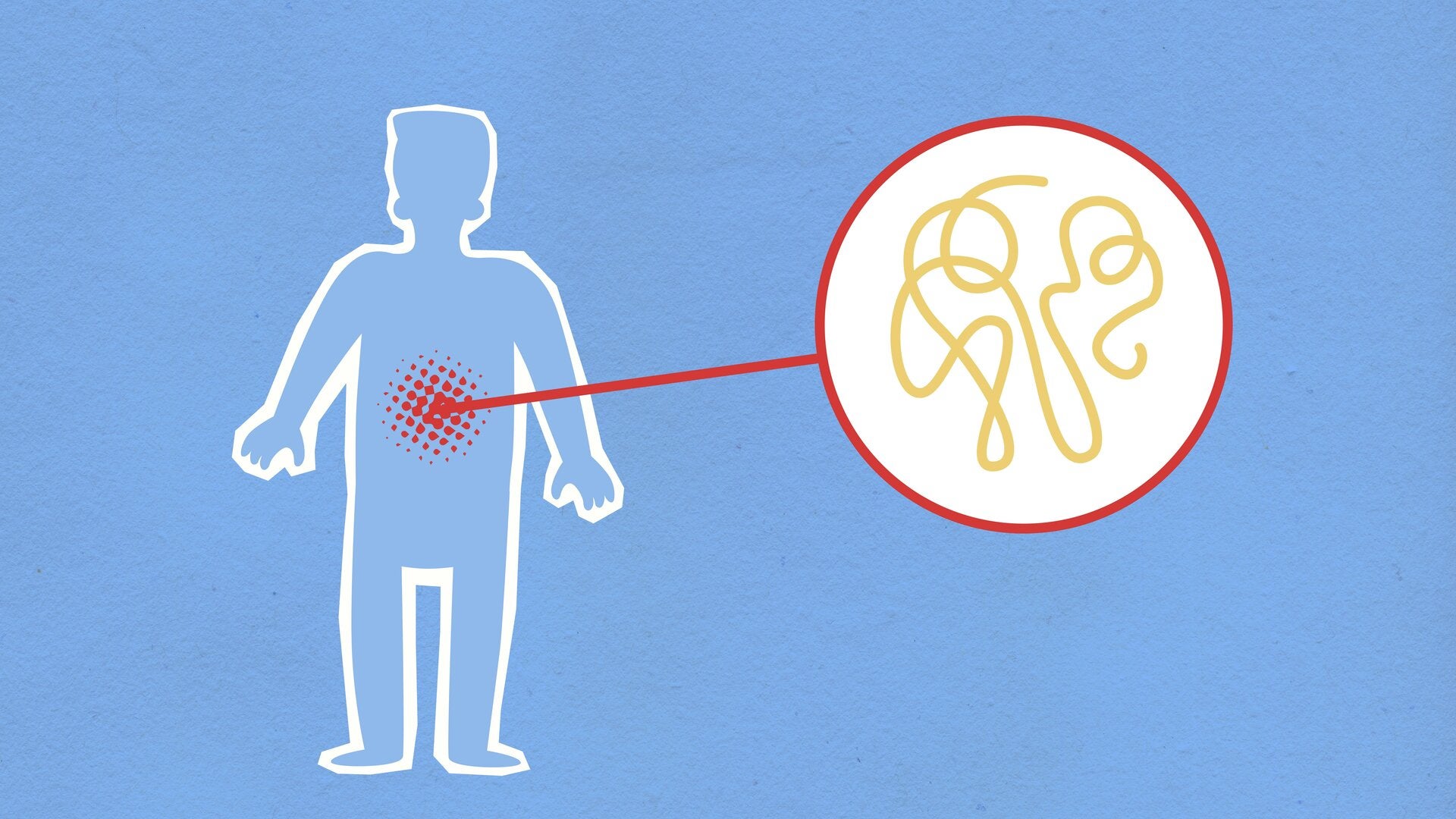
The crucial link between dark urine and liver health
Learning about dark urine is important because it can be one of the earliest visible signs that something may be wrong with the liver or bile ducts. Although dark urine is sometimes caused by something harmless, such as dehydration or certain foods or medications, it can also indicate that the liver is not processing bilirubin properly. When bilirubin builds up in the bloodstream, it can darken the urine and may signal liver disease or another condition that requires medical attention.
Recognizing this symptom early can help people seek medical evaluation before liver disease progresses or complications develop. This is especially important because many liver conditions have few or no symptoms in their early stages.
The Liver Hope Foundation wants visitors to understand that knowing the warning signs of liver disease can lead to earlier diagnosis, more effective treatment, and better health outcomes. By learning what dark urine may mean—and when to contact a healthcare provider—you can take proactive steps for your health.

Your next steps for liver health
After reading about dark urine, the most important step we want visitors to take is to contact their healthcare provider if the symptom is persistent, unexplained, or accompanied by other signs of liver disease, such as jaundice (yellowing of the skin or eyes), pale stools, abdominal pain, fever, itching, nausea, or unusual fatigue. Early evaluation can help identify the cause and, if necessary, begin treatment before more serious complications develop.
If visitors experience dark urine along with severe symptoms—such as confusion, severe abdominal pain, vomiting blood, black or bloody stools, or other signs of a medical emergency—they should call 911 or seek emergency medical care immediately.
We also encourage visitors to continue exploring The Liver Hope Foundation's educational resources to learn more about liver disease symptoms, diagnosis, prevention, and treatment. Our patient and caregiver resources provide practical guidance to help people better understand liver health.
Connect with us for support and information
Do you have questions about dark urine or other liver health concerns? Reach out to The Liver Hope Foundation or explore our resources to find answers and support.